Re-Aliving Yvonne Vera: A Review of Petal Thoughts, a Biography of Yvonne Vera by Her Mother Ericah Gwetai
It is April 1996. Cool air wraps the city of Bulawayo as evening descends. The last of the light drenches everything with a golden hue. Night waits just beyond the horizon. A woman—tall, resplendent, hair blowing slightly in the breeze, a louding spirit—stands in the middle of the busy Matopos main road. She stares ahead at the oncoming cars, daring them to strike her down, unmoving and unmovable. The small crowd gathered on the side of the road watches on in horror, having failed to get her off the road to safety. A question hangs in their gasps, Is she actually going to do it? Is she going to get herself killed?
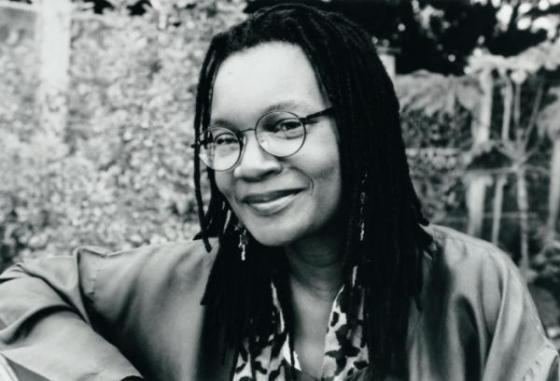
Yvonne Vera
That woman was the celebrated genius Zimbabwean writer Yvonne Vera, who handled the often difficult subject matter of her novels with striking tenderness, poetic prose, brevity and no fear. And no, she did not die. At least not on that day. But the incident stayed with her mother, Ericah Gwetai, who stood watching the dramatic scene in the small crowd before running away to hide in her house. She recollects the details in Petal Thoughts, the biography of Yvonne Vera that she wrote after Vera’s death some years later. But such was Vera, a complicated, complex, kind, unpredictable, trailblazing artist, writer and woman.
The book is divided into two parts and begins with Ericah’s chronological account of Vera’s life, beginning just before her birth. Ericah was only 17 at the time and was forced to live with her waiter boyfriend and Yvonne’s father Jerry Vera. The relationship quickly fell apart due to Jerry’s abusive behavior and Ericah picked her life up again, went back to school and trained as a teacher. From then, she details the places she and Yvonne lived in—Bulawayo, Harare, Tsholotsho and Bulawayo again. Gwetai describes Yvonne as a curious, observant, deeply imaginative child who liked collecting old bus tickets, comics, cigarette packets, broken mirrors and bottle lids from the bus terminus. She also, as many writers do, loved reading and being read to, books being a common interest between mother and daughter that would sustain throughout their lives.
In her teenage years Vera began having sudden fainting spells. They would occur anywhere, at the bus stop, at school, in the middle of the road. At the time she was living with her grandparents and other relatives in the small house her mother grew up in. Ericah had remarried and purchased a home for herself and her new husband. According to Gwetai, while Yvonne was well loved—her grandmother would hide slices of bread under her pillow for her to eat—she witnessed much violence when her other relatives who lived in the house got inebriated and fought. Once, she fell into a thorn hedge as she fled a family member who wanted to beat her up. Doctors who treated her during this time attributed the fainting spells to the stress she was experiencing, from her parents' breakup to, I imagine, the environment she lived in. One psychiatrist told her to focus only on herself and not those around her. And she did just that, the fainting spells disappeared.
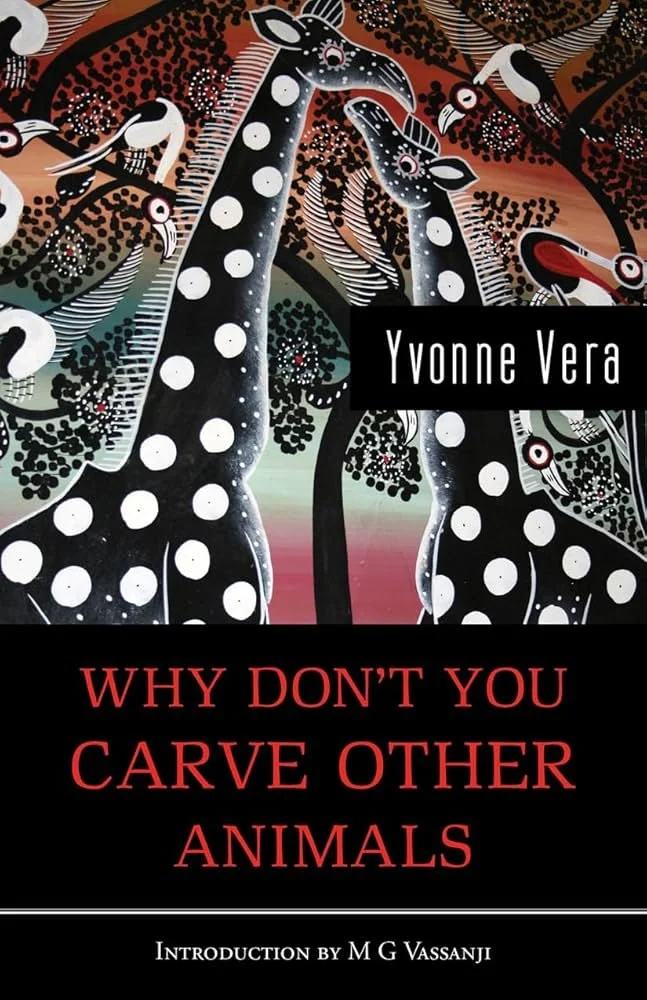
From there we follow Yvonne into adulthood—teacher training college, early career in education, her move to Canada without telling her mother whom she accused of being a “control freak,” her marriage to Canadian John Jose, her early years as writer and lecturer, publishing her first short story collection Why Don’t You Carve Other Animals and debut novel Nehanda, her abandoning said marriage to return home. In the only recorded interview I have been able to find on the internet, she states that she could not write the way she wanted to while abroad. She needed to be home, close to her people. In many ways one cannot tell the story of Vera without talking about the city from which she hails, a city that pulled her back each time she left. The city’s worsening state also began around the time when Vera’s health began to fail. She reflected the city in everything she did, the way dressed, the subjects she wrote about, the exhibitions she created. Writing and the city came first to Yvonne and nothing could stand in the way of that, not even a husband.
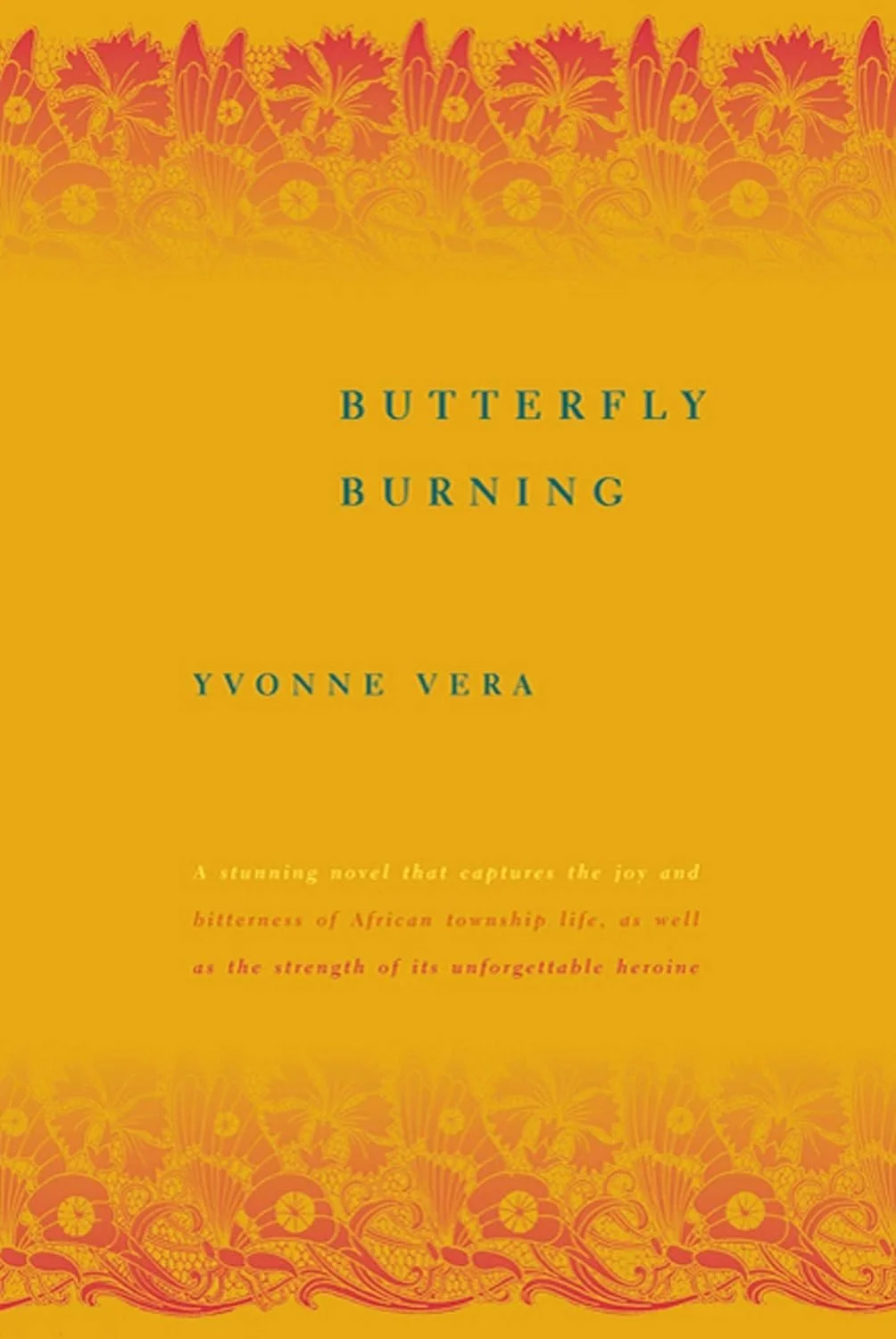
Vera dedicated herself to the discipline of reading and writing and consistently published books during this era, including her lauded and perhaps best known work Butterfly Burning. She took a job as the Director of The National Art Gallery in Bulawayo, home of the city’s foremost and internationally acclaimed artists. Though, according to Vera, the job paid a pittance, she did it out of passion for the creative arts, organizing exhibitions and programs that are still praised to this day. The walls of the art gallery in Bulawayo echo with her influence.
The latter part of the book is narrated by friends of Vera who knew her particularly in the latter part of her life as an internationally acclaimed writer who won multiple awards across the globe. She is described by her friend Veronique Tadjo who met her at a writing residency in Berlin as unforgettable. “She fascinated all who approached, because we knew immediately that we were in the presence of someone very special who was in love with life and all its possibilities.” Perhaps the most interesting account, because of its vulnerability and desire to lean towards truth rather than dressage, is that of Terry Granger, a British historian somewhat fascinated by Zimbabwean history, who became a lifelong friend of Vera. He described walking with her through the streets of Bulawayo as “walking with a medieval healing saint.” He describes her as a woman of mystery, mood swings and impulses that sometimes saw him fall out of favour with her for no apparent reason. Vera ended many of her friendships during her illness, but the relationship she had with Granger survived to end.
Yvonne Vera died of AIDS-related meningitis in 2005. A woman of secrets, she never disclosed anything to anyone, including, I suspect, her mother who took care of her most of her illness. During this time she bought and sold houses as her health worsened, moved to Berlin and only managed a few weeks there before returning home to the care of Gwetai who eventually arranged for her to return to Canada, to the care of John Jose and a better health care system. She and all those around her remained hopeful for her recovery till the day she passed. Her ashes were scattered at the base of a pine tree in Crego Lake, one of Vera’s favourite places. She remained a dedicated writer to the end, penning a poignant last poem:
We raise our arms
in surrender of grief
And love.
-Yvonne Vera 2004