One Poet’s Pep Talk to Herself
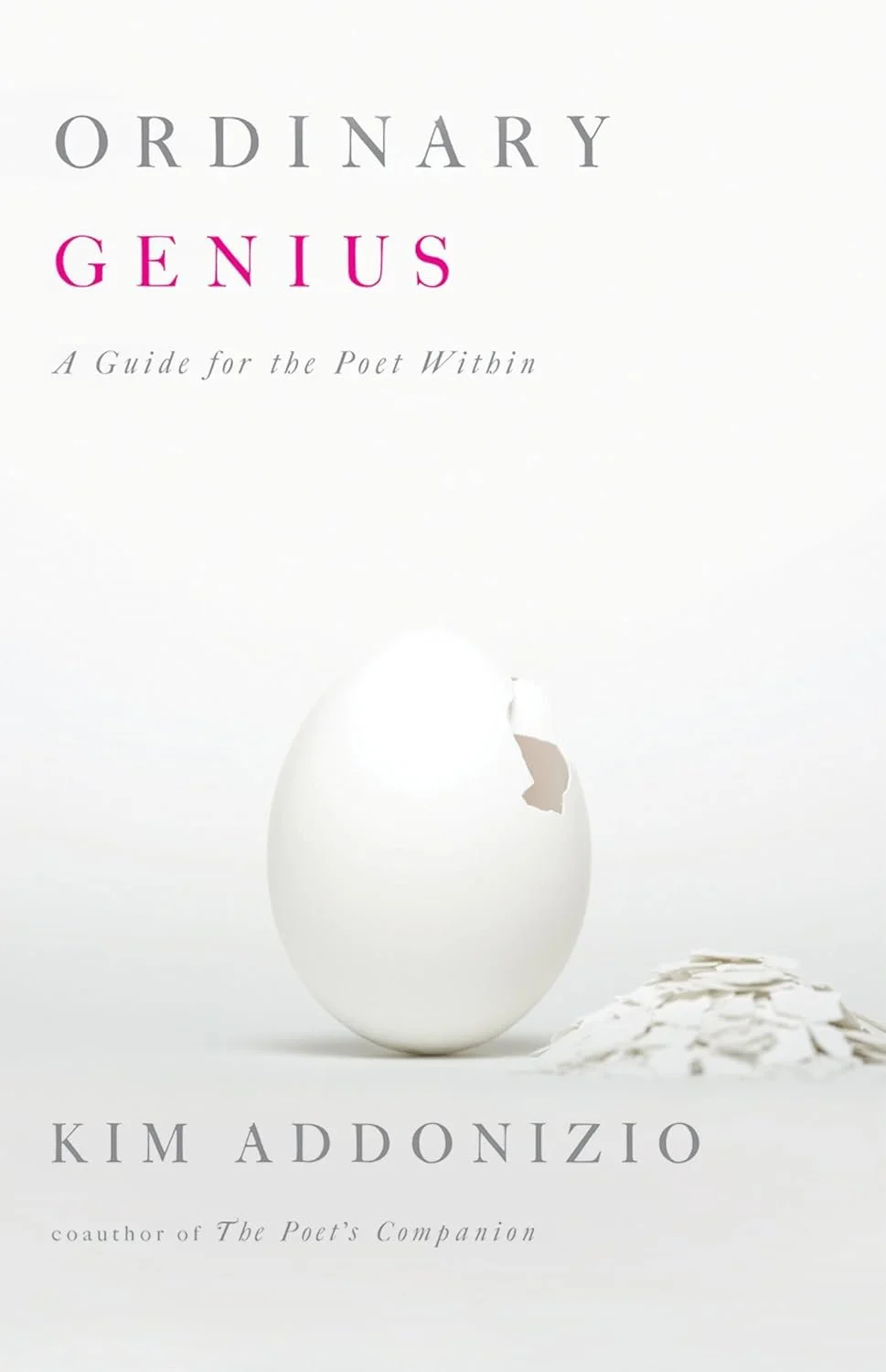
To linger in the silence before the words come is the writer’s portion. There is no way around it. To be a writer, you must be willing to sit in the lack, to live in that liminal place of what is not yet, to make your bed in the “terror of the blank page,” as Kim Addonizio calls it in her book Ordinary Genius. Indeed, the waiting can feel like punishment, like falling through a fracture in a frozen pond, finding yourself immured in the harsh waters beneath the purgatory of ice. In those moments before rescue you aren’t even sure is coming, desperate for anything to dredge you from your misery and fill you with a fresh, sharp breath of inspiration, your mind can feel like an indecipherable mud. But what if the waiting could be, not a site of despair, but a site of discovery? What if the act of lingering could also be an entrance into hope? Imagine all the fruit, plump on the vine, you are forfeiting in your refusal to labor through the black hours of uncertainty. How do you persist?
Approach the work with courage and humility. Inhabiting the unknown is always going to feel risky. You are going to need to be patient with yourself and to commit to existing, for as long as it takes, in the tundra outside your comfort zone. Courage might mean sitting in solitude for hours, with nothing to do but have faith that somewhere on a back burner in your mind, an idea is brewing. Courage could also be a matter of loosening the vise-grip perfectionism has on you, easing the valve open to permit the words to tumble out untidy and misshaped. Humility might look like allowing yourself your emotions. If listlessness or boredom threatens to make a meal of you, stare into its dank, gaping mouth, and even if it means letting it have its course, refuse to budge from your seat. If panic or frustration glues your thoughts together, be still and breathe slowly and deeply, or perhaps, take a walk down the block before returning again to the grunt work. If fear or anxiety paralyzes you, all you can do is persevere, tend to yourself the best you can, and remind yourself why it is you write.
Maggie Smith
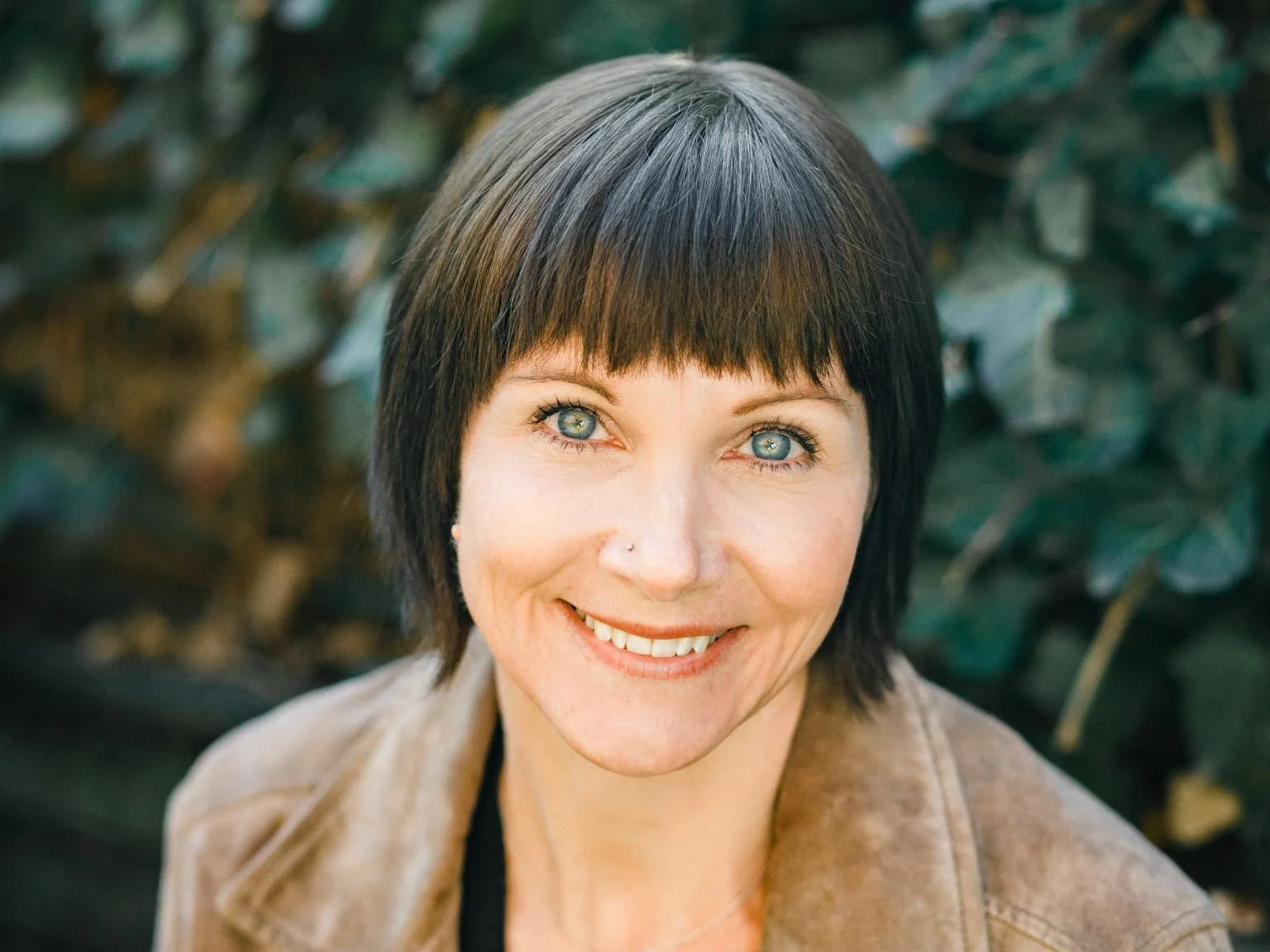
Pay attention to your life. In a tribute to the late Mary Oliver, Maggie Smith wrote that the poet taught her how “attention is a kind of love, how shining your mind’s light on a thing—a grasshopper, a bird, a tree—is a way of showing gratitude.” Lean into moments of delight or surprise as you go about your life, as if each day has its own new secret to impart to you. Go to that restaurant you love in the next town over and eavesdrop, just a little, on the diners seated next to you. Investigate the ants as you lie on the grass at the park, lugging their daily bread, single-file, back to their mound. Listen eagerly to the made-up song your toddler niece has been humming under her breath as she draws, and ask her to teach it to you. In the midst of the mundane, actively nourish your sense of childlike wonder about the life happening around you, as a way of waiting with expectation and anticipation. Being observant invites the living to become a part of the writing.
“Instigate play with intentionality.” I say this in quotes because it is a borrowed sentiment that has remained with me since I speed-typed it into my phone at an AWP workshop in 2023. I’ve forgotten the author to which it belongs. Entering the writing through play, not with a destination in mind but with the intention to enjoy the process, the presenter emphasized, “keeps you in the realm of possibility and hope.” Go wild. Stumble into a piece through sound or rhythm or form or any other such craft device you may have never attempted as an entrance into a piece before. Or, take to heart Valzhyna Mort’s encouragement to other writers at a recent reading at Ithaca College, to walk into a bookstore or library and allow yourself to fall in love with a writer you’ve never heard of before. Pluck books off the shelves at random and be open to being delighted, to letting their words and worlds enthrall you. On the back of this small adventure, return to the page, and in her words, “be carried away by language and write yourself into places strange and unknown.” Court and coax, tease and tinker for the sake of enjoyment, for where is the home of the imagination if it is not in the silence of the blank page?