Interview: Banana Yoshimoto
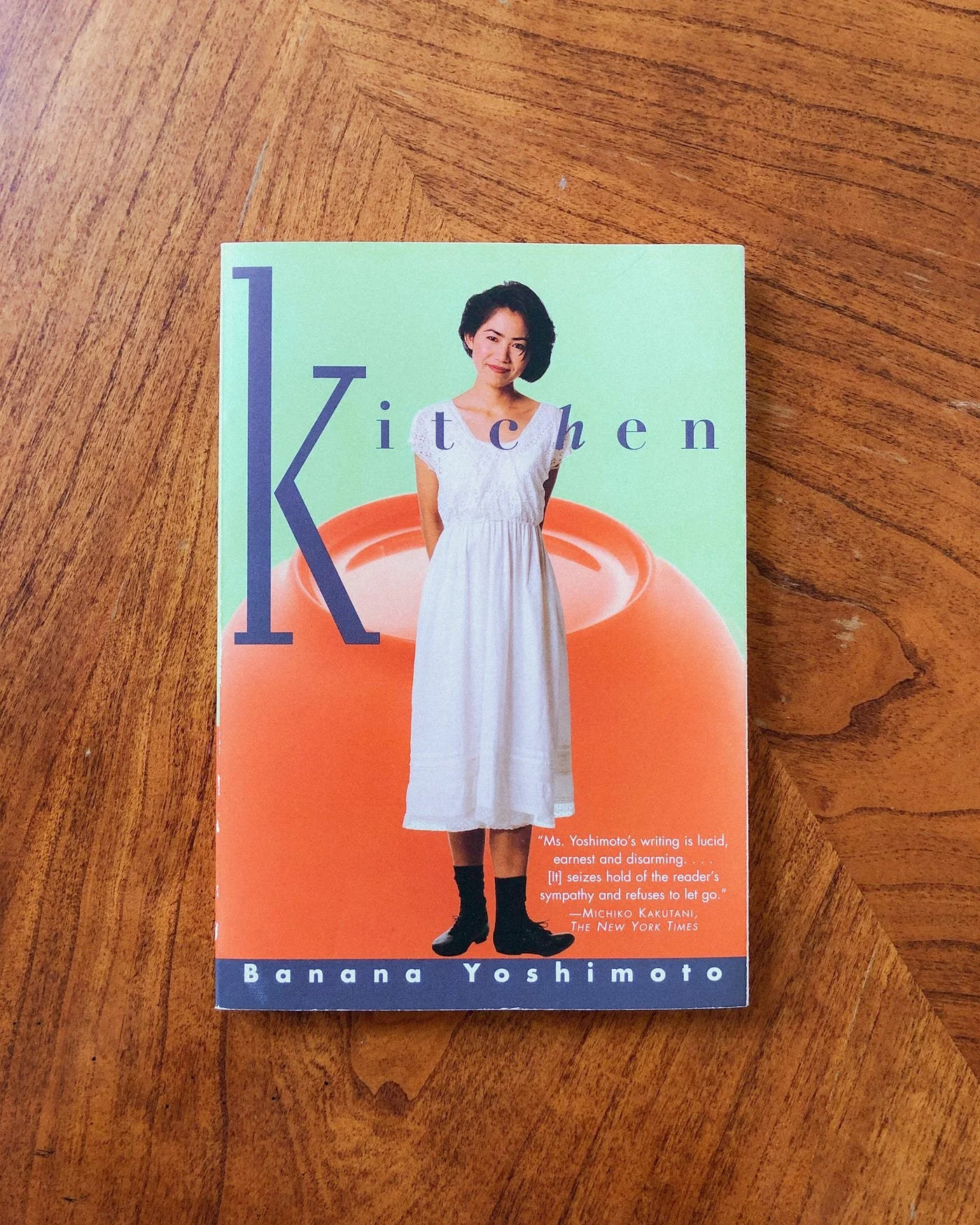
The name ‘Banana Yoshimoto’ might conjure the image of a woman with cropped black hair, hovering within a red-green backdrop. This was the U.S. cover for the 1993 translation of Kitchen, and for many English readers, their first encounter with contemporary Japanese literature. Published when she was just 24 years old, Yoshimoto’s debut novel Kitchen won several literary prizes in Japan, establishing her as “one of the most successful Japanese writers of her generation.” Overseas, she was coined as the voice of young Japan, creating certain expectations for her work to represent an entire culture on the rise.
Decades later, though no longer an emerging voice in literature, the sensation of Banana Yoshimoto has only bloomed bigger. The author, whose pen name comes from her love of banana flowers, has amassed a devout international following, with a love so feverish that it has been dubbed ‘Bananamania.’ From the generation that grew up with her, to a new generation of young readers, she is one of the most widely translated Japanese writers today.
The protagonists of Yoshimoto’s stories often oscillate between quiet loneliness and full-bodied bursts of love; they suffer devastating losses, but steadily find their way home. In Brandon Taylor’s review of Yoshimoto’s Dead-End Memories, he writes how the story collection “shows that happiness, while not always easy, is still a subject worthy of art.” They leave you with the kind of human warmth that has felt increasingly elusive in modern literature.
Over an email exchange and several rounds of translation, Banana Yoshimoto talks about her principles on hope, her most selfish characters, and creating ‘a hot spring within the unconscious.’
Translated by Jasmine Yanase; Japanese version below.
Fia Zhang Swanson: Many of your characters experience grief or a traumatic event, yet they often have a happy, or at least hopeful conclusion. This kind of optimistic tone is rather rare in contemporary literature—maybe because it requires more skill to write convincingly. In your opinion, how do you create a ‘happy’ ending that feels both natural to the story, and true to real life?
Banana Yoshimoto: This may just be my personal feeling, but if someone pays money to buy my books, I don’t want to run a business that leaves them feeling unpleasant after finishing. In the downtown area where I grew up, there was a philosophy that when you make something, it has no meaning unless both the buyer and the seller are happy. I think that has seeped into my whole being. So even when I write a novel, I try to leave at least some hope. After closing the book, I wish for readers to walk forward in their own lives feeling good.
From an artistic point of view, this might be the wrong way of thinking, but I still want to write things that brighten people’s hearts. However, if there is no truth in these stories it becomes mere fantasy, so I try to give it a certain kind of reality.
FZS: Being too sentimental (in the sense of ‘excessive tenderness, sadness, or nostalgia’) is sometimes used as criticism in fiction. How do you think sentimentality, or the feeling of hope, can enhance a story without feeling ‘excessive’ or superficial?
BY: [Sentimentality] works as long as it’s woven in seamlessly, and doesn’t feel out of place in the story, or contradict the nature of any character.
For example, it’s easy to write something intended to make readers cry or feel sentimental. But even if they shed tears in the moment, that doesn’t mean the work will remain deeply in their hearts. Sentimentality or extreme kindness is like a by-product; what matters is how the characters’ hearts move within the story.
FZS: You’ve written on your English blog that you sometimes “feel guilty, because you write your stories for fun, not for therapy.” How has your emotional relationship to writing changed throughout your career?
BY: That was probably a translation mistake. Writing novels is neither fun nor therapy for me (laughs). Writing is as natural as breathing for me, but I can’t do anything else in real life.
Also, writing a novel is challenging. It means reaching into another place and pulling something back, which requires immense concentration.
FZS: What is an aspect of writing that you find personally challenging, and do you attempt to do it anyway?
BY: What’s always difficult is writing in the first person. Still, I feel its potential, so I keep at it.
Writing in first person limits the scope and makes it hard to include objective viewpoints, which can be frustrating, but for capturing subtle, nuanced psychology, nothing surpasses the first-person voice. That’s why I want to keep pursuing it.
FZS: There is an intimate, conversation-like style to your writing that can feel like chatting with a friend. What kind of relationship do you imagine between the writer (yourself) and the reader in your work, if any?
BY: If you depict the sensory world deeply enough, there is a place where everyone stands on the same horizon. There, the reader is alone, yet sharing the same sensations as the author. This can ease the reader’s loneliness or tension.
Just as your mind and body feel softer after stepping out of a hot spring, I try to create a kind of hot spring within the unconscious—a place where, while the reader is there, the terrors of reality don’t weigh on them, yet there's still room for an adventure of the heart.
FZS: Of all the characters you’ve created, are there specific ones you still think about often?
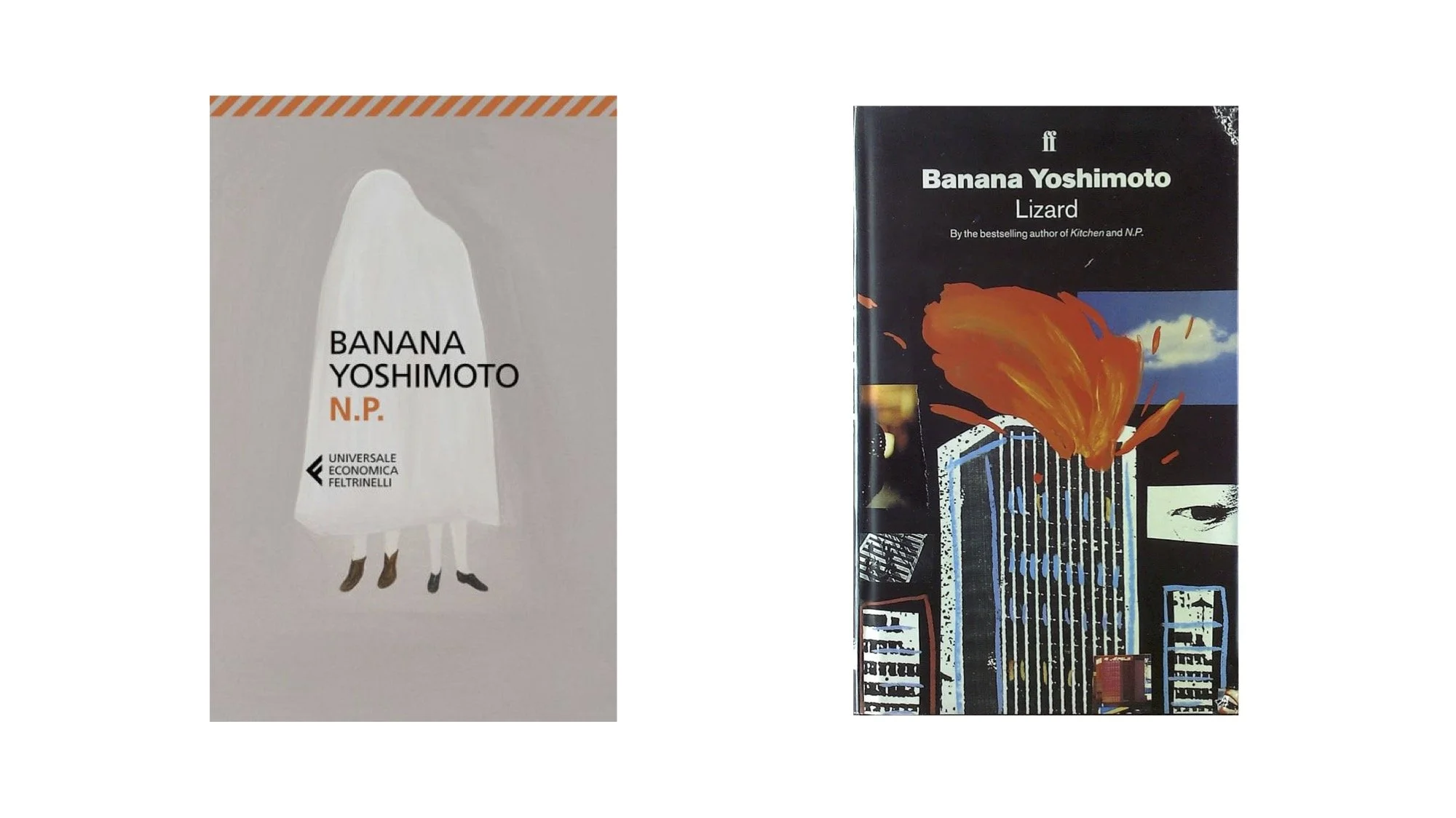
BY: The characters in my novel N.P. were among the most selfish young people I’ve written, people who didn’t think much about others. Looking back now, they were memorable characters partly because they were unlikely to find much happiness.
FZS: How do other mediums of creating (different forms of writing, art, music, etc.) intersect with your writing practice?
BY: Film and music, for example, have visuals or auditory stimulation, and they operate under completely different constraints compared to novels. Novels have only text, so the reader must create the images in their own mind. Sometimes people play music while reading, and that can naturally influence the content as well.
Because you can stop reading a novel at any time, it allows you to freely create a spacious world in your mind. So I write while hoping I can return the inspiration I gain from other forms of expression to my novels.
In my mind, I imagine everything—what the characters look like, what they wear, the city streets—like images. But the reader creates a new world of their own. That’s the beauty of novels.
FZS: Your characters often emerge more hopeful, even when a happy ending isn’t guaranteed for them. What are some ways you maintain hope and patience in your daily life?
BY: When our physical health is suffering, we all know how much losing hope can affect our condition. The way hope and despair influence an individual is so precise, it doesn’t feel like something humankind invented.
So I want to cast a sort of white magic on both my life and my novels. I want to write things that leave readers feeling just a bit more recovered, able to breathe again. And I want to practice that in my own life as well.
FZS: What advice would you give to growing writers who are unsure about their work and its place in our world?
BY: Just as there is only one you in this world, you will surely find an element that only you can express in writing.
Don’t speak with someone else’s voice—use your own. There is no other way to save anyone. Find what you were born with and what you have cultivated within yourself.
FZS: What do you look forward to exploring in your writing, or hope to achieve in your work next?
BY: With the changes in our era, I feel that the concept of family may start to collapse. Of course, there will always be people who create traditional families, but it’s increasingly likely that young people will build a new world without being constrained by the institution of marriage.
So I want to focus on a certain kind of freedom that will exist in the coming era, and on the human heart that must be protected within that freedom.
Thank you very much.
「吉本ばなな」という名前から、短く切りそろえた黒髪に、長い白いドレス、赤と緑を基調とした背景に立つ女性の姿を思い浮かべる人もいるかもしれない。これは1993年に刊行された『キッチン』英語版(アメリカ版)の表紙であり、多くの英語圏の読者にとって、現代日本文学との最初の出会いとなった。吉本先生はわずか24歳でこのデビュー作『キッチン』を発表し、日本で複数の文学賞を受賞、「同世代で最も成功した日本人作家の一人」としての地位を確立した。海外では「若き日本の声」として紹介され、日本という成長する文化全体を代表する存在であるかのような期待を背負うことにもなった。
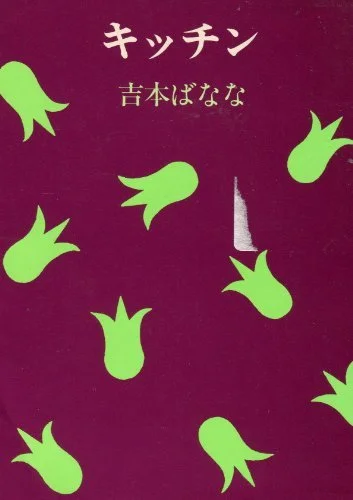
それから数十年が経った今、彼女はもはや新進気鋭の作家ではないが、吉本ばななという現象はますます広がりを見せている。バナナの花を愛することから生まれたそのペンネームを持つ彼女は、熱狂的な国際的支持を集め、その熱意は「ばななマニア」と呼ばれるほどだ。彼女とともに成長した世代から、新たな若い読者の世代に至るまで、吉本先生は今日、最も広く翻訳されている日本人作家の一人である。
吉本作品の主人公たちは、静かな孤独と突然あふれ出す愛情のあいだを揺れ動き、深い喪失を経験しながらも、少しずつ自分の帰る場所を見つけていく。ブランドン・テイラーは『行き詰まりの記憶 』の書評の中で、この短編集が「幸福は決して容易なものではないが、それでもなお芸術の題材としてふさわしいものであることを示している」と書いている。吉本先生の物語は、近年の文学では次第に失われつつあるように感じられる、人間的なぬくもりを読者に残してくれる。
メールでのやり取りと幾度かの翻訳作業を経て、吉本ばなな先生は、希望に対する自身の考えや、これまでで最も利己的だと感じる登場人物、そして「無意識の世界の中の温泉のような場所を作り」について語ってくれた。
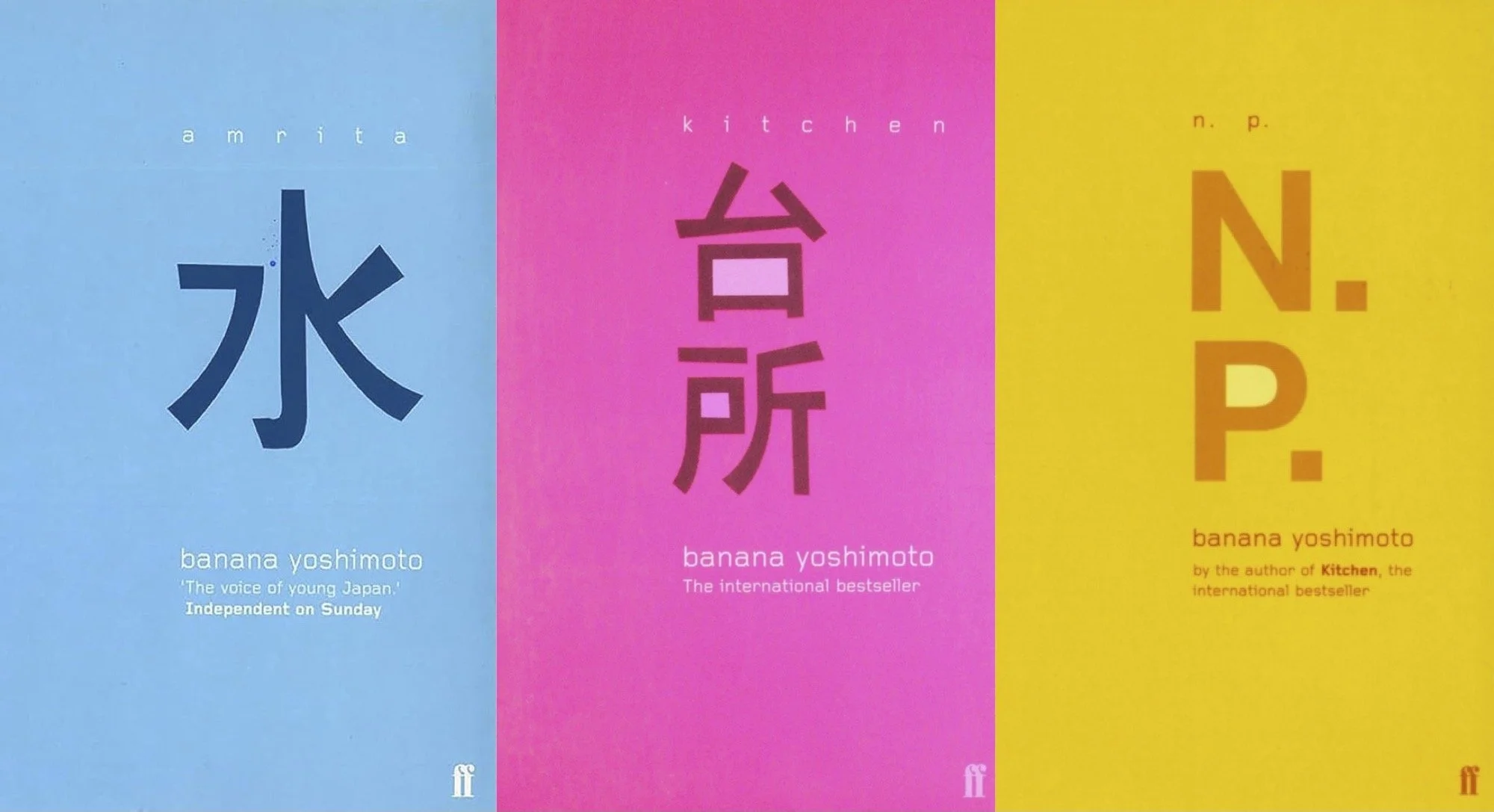
Q1: 吉本様の多くのご作品では、登場人物が深い悲しみや心の傷を経験しながらも、物語は幸福、あるいは少なくとも希望を感じさせる結末へと向かっていきます。このような「希望に満ちた」トーンは現代文学では比較的珍しく、説得力をもって描くには高度な技術が求められるように思われます。
ご自身は、物語として自然でありながら、現実味のある「幸福な」結末をどのように生み出しておられるのでしょうか。
A: とても個人的な気持ちなのですが、本を買うためにお金を払ってもらって、読み終えて嫌な気持ちにさせるような商売をしたくないのです。私が生まれ育った下町では、何かを作ったら、売る人も買う人も、お互いが幸福でなければ意味がないと言う哲学がありました。
それが多分私の心身に染み込んでいるんだと思います。
なので私は小説を書いても1つは希望が残るようにしています。本を閉じた後、読者たちが自分の人生に気持ちよく歩んでいけるといい、と願っています。
それは芸術と言う観点から見たら、あるいは間違っている考えなのかもしれないのですが、やはり私は人々の心を明るくするようなものを書きたいです。ただ、そこに真実がなければ単なる夢物語になってしまうので、ある種のリアリティーを持たせるように努力しています。
Q2: フィクションの世界では、「過度の優しさ・悲しみ・ノスタルジー」といった意味での“センチメンタルすぎる”という点が批判として挙げられることがあります。
吉本様は、感傷性や希望の感覚が、どのように物語を豊かにしうるとお考えでしょうか。また、それが「過剰」や表面的に感じられないためには、どのような工夫が必要だと思われますか。
A: 物語と違和感がなく、登場人物個々のキャラクターと矛盾がないようにシームレスに描けば大丈夫です。
例えば、泣かせようとか感傷的にならせようとか、そういう文章を書く事は簡単です。しかし、それが作品として優れているかというと、その場で涙を流す事はあっても、心の中に深く残ることはできないでしょう。感傷とか極度の優しさというのは副産物のようなものであり、大切なのは、ストーリーの中で人々の心がどう動いたかということです。
Q3: 吉本様の英語ブログで、「自分は楽しいから小説を書いているのであって、セラピーのためではない」という趣旨のお言葉を拝見したことがあります。
長年のご執筆の中で、ご自身と“書くこと”との感情的な関わり方はどのように変化してこられましたか。
A: 多分翻訳の間違いでしょう。
小説を書く事は楽しくもなく、セラピーでもないです(笑)。
文章を書くことは私にとって息をするくらい自然なことですが、現実の他のことは何もできません。
また、小説を書くのはやはり大変です。別のところにつながり、そこから何かを持って帰ってこなくてはならないので、たいへんな集中力が必要です。
Q4: 執筆において、個人的に難しいと感じている点はありますか、 また、それでもあえて挑戦しようとすることはありますでしょうか。
A: 難しいのは常に一人称で書くということです。でも、そこに可能性を感じて続けています。
一人称で書くとあまり広がりが描けず、客観的な視点を書くこともなかなかできないので、もどかしく思うこともありますが、やはり細かい心理の描写を描くことにかけては一人称にかなう書き方はないと思っていて、これからも追求していきたいです。
Q5: ばなな様の文章には、親しい友人と静かに会話しているような、親密で対話的な温度があります。
ご自身の作品において、書き手と読み手とのあいだには、どのような関係性があるとお考えでしょうか。
A: 感覚の世界を深くまで描いていけば、誰もが同じ地平に立つようなひとつの場所があります。そこでは読む人がたったひとりで、しかし著者と同じ感覚を共有できます。
それにより読む人の心の孤独や強張りが緩む可能性があります。
ちょうど温泉に入って出ると、入る前よりも心や体が柔らかくなっているように、無意識の世界の中の温泉のような場所を作り、そこにいる間は、現実の恐ろしさが読者にのしかかってこないような安心できる、けれども、心の冒険がある、そういう空間を作るように心がけています。
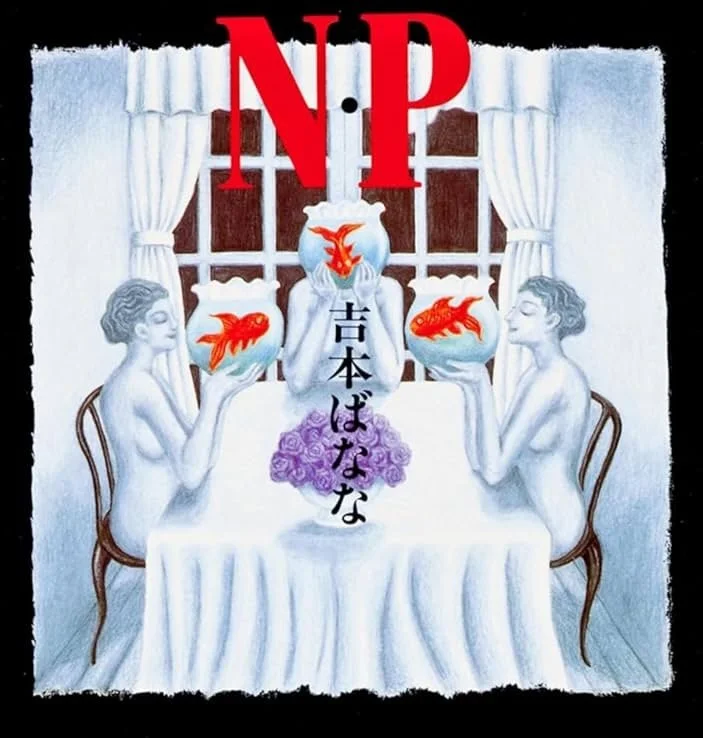
Q6: これまで創り上げてこられた登場人物の中で、 今でもときおり思い返されるキャラクターはいらっしゃいますか。
A: 「N・P」と言う小説の中の登場人物たちは、私が書いた若い人たちの中でも、特に自分勝手であまり人のことを思いやらない人たちでした。今思うとその人たちがあんまり幸せにならなそうなことを含めて印象的な人物たちであったな、と思います。
Q7: 文章以外の表現(他のジャンルのライティング、芸術、音楽など)は、 吉本様の執筆にどのような影響お与えていると思われますか?
A: 例えば映画や音楽は小説に比べて映像があったり、耳からの刺激があったり、全く別の限定された条件があります。
小説には文字しかないので、読む人は自分の頭の中で映像を作らなくてはいけません。また読んでいるときに音楽をかけているということもあり、それが自然に内容に影響することもあるでしょう。
そういうことも含めて小説は自分でいつでも読み止めることができる分、空間の広がりを自分の頭の中に自由に作ることができると思います。なので私は他の表現から得た刺激を小説に還元していけるといい、と思いながら書いています。
自分の頭の中では、出てきている人の姿や服装、町並みなど全て映像として想像していますけれども、読む人がまたその人自身の新たな世界を作り出す。それが小説の良いところだと思います。
Q8: 登場人物たちは必ずしも明確な「幸福」を得るとは限らないものの、多くの場合、以前より希望を抱ける場所へと到達します。
ご自身は、日々の生活の中で、どのように「希望」や「辛抱強さ」を保っておられますか。
A: 例えば体調が悪くなったとき、希望というものが持てなくなったら、どれだけそれが体調に影響するかを私たちはよく知っていますよね。
その希望や絶望が人に与える影響の分量はとても厳密で、人類が考え出したものとは思えません。
なので、私は自分の人生にも小説にもある種のホワイトマジックをかけたいと思っています。読んだ人が読む前より、ほんの少し立ち直っているような、息ができるようになっているような、そういう要素があるものを書きたいし、自分の人生でもそれを実践していきたいと思っています。
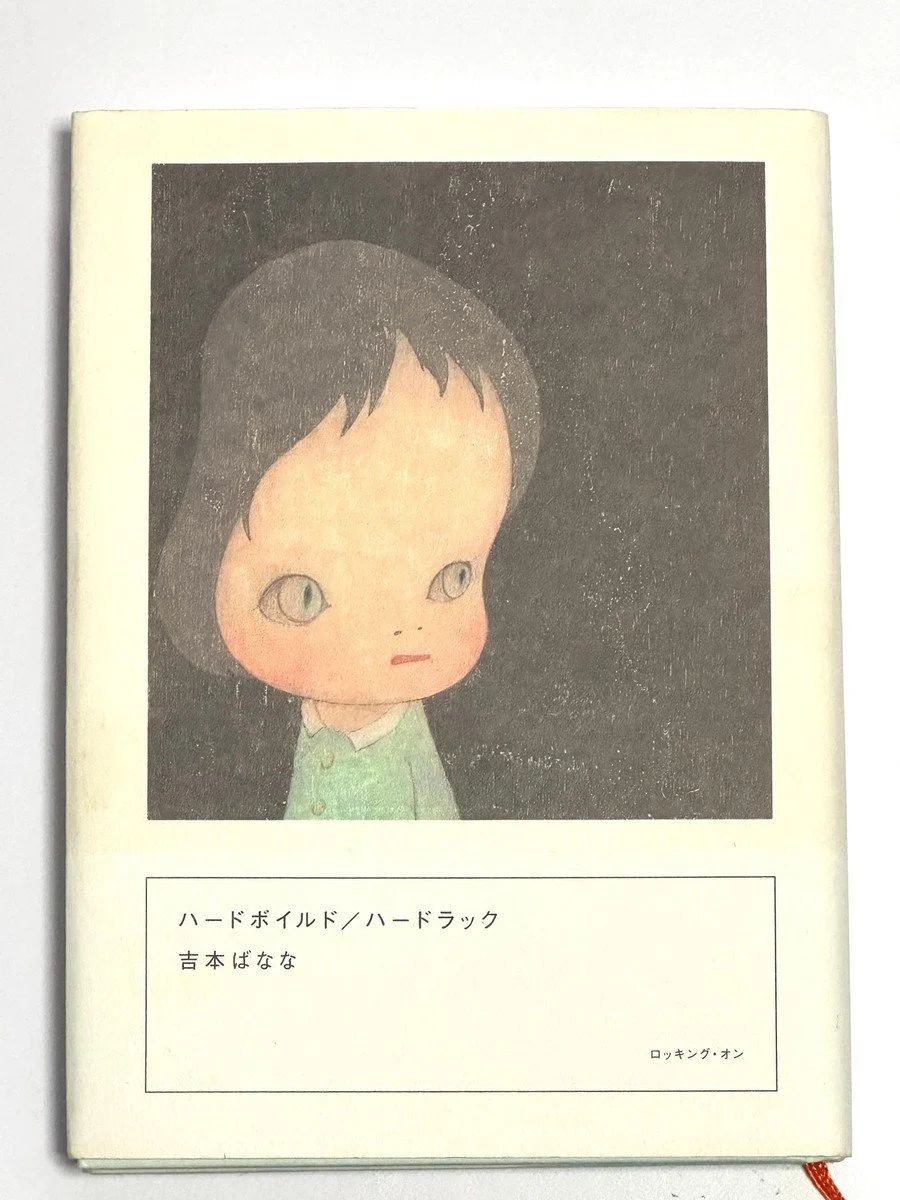
Q9:自分の作品や、それが世界の中で果たす役割に自信を持てず迷う、成長途上の作家たちに向けてどのようなアドバイスをお持ちでしょうか。
A: この世にあなたがたったひとりしかいないように、あなたにしか書けない、とある要素は必ず見つかるはずです。
他の人の声で語らず、自分の声で語ること、それ以外に他の人を救う手立てはありません。
とにかく自分が持って生まれたもの育ててきたものを見つけ出してください。
Q10: 今後のご執筆において、あらたに探求したいテーマや、次に目指しておられる目標はありますか。
A: 時代の変化により、多分これから家族という概念が崩壊していくような気がします。もちろん昔ながらの家族を作る人もいつまでも存在するとは思いますが、若い人が結婚という制度に囚われず、新しい世界を作っていく可能性の方が高いです。
なので私は、これからの時代におけるある種の自由といったもの、その中で守られるべき人の心、そういったところに焦点を合わせていきたいと思っています。
ありがとうございました。